 Skip to content
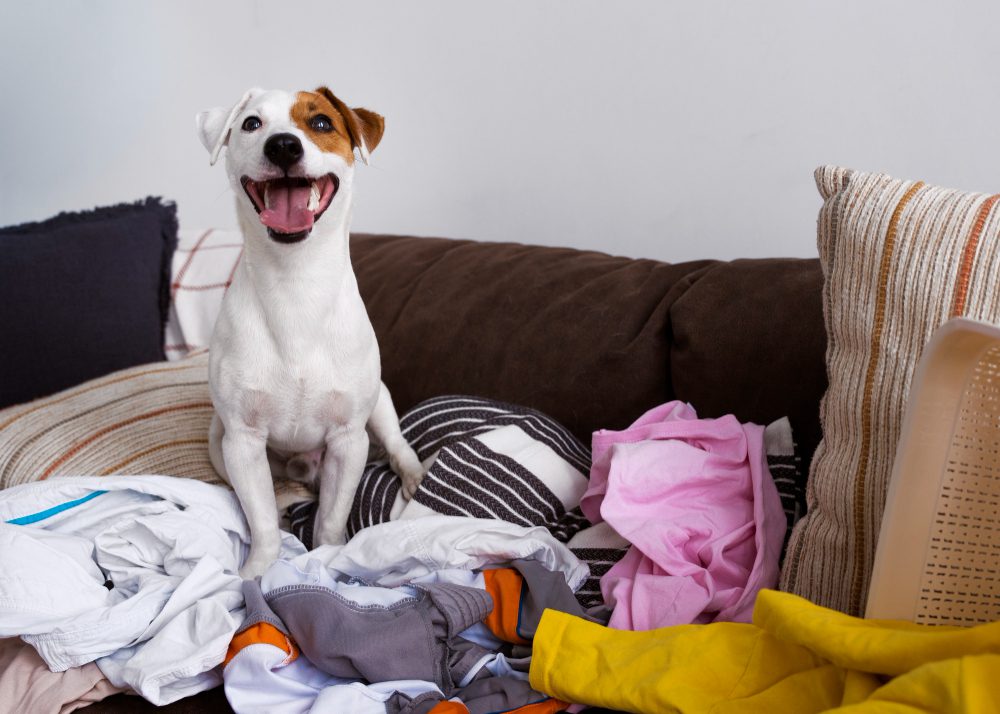
Moving is a big deal in life, and while people can prepare emotionally, pets often don’t understand what’s going on. Stress, fear, and anxiety can happen when their environment changes suddenly, when they smell new things, hear loud noises, meet new people, or when their routine is broken. If you have dogs, cats, birds, or other small animals, try to make the move as calm and reassuring as possible for them.
We at Better Home Removals have helped thousands of families move with their pets safely and comfortably. In this guide, we’ll give you professional tips on preparing your pets for the move, helping them adjust to their new home, and making the move as easy as possible for them.
1. Understand Why Pets Become Anxious During a Move
Pets do best when they have a routine and things they know. Animals can sense the stress around them when furniture starts to disappear, boxes start to pile up, and daily routines change. Dogs may become clingy or restless, while cats may hide or become withdrawn. Rabbits, guinea pigs, and birds are examples of small animals that may become more anxious in the presence of noise and movement.
Stress can manifest as:
- Excessive barking or meowing
- Hiding or avoiding family members
- Reduced appetite
- Destructive behaviour
- Accidents inside the home
- Panting, pacing, or shaking
You can calm your pet down before their anxiety gets worse if you notice these signs early.
2. Start Preparing Your Pet Weeks Before the Move
The best way to calm your pet is to get ready. Start a few weeks ahead of time to help them get used to the changes.
Create a Calm Environment
Take your time packing and don’t rush. Pets can tell how you feel, so staying calm makes them feel safe. Let them go into their favourite rooms until the last stage of packing.
Introduce Moving Supplies Gradually
Get out the moving boxes, bubble wrap, and tape ahead of time so they can get used to them. Let your cats and dogs smell the boxes to make them less scared and curious later.
Maintain a Consistent Routine
Try to keep the times for feeding, walking, playing, and going to bed the same. Routines help pets stay emotionally stable when things are up in the air.
3. Create a Safe Space for Your Pet on Moving Day
Moving day is often a mess, with people coming and going, moving furniture, and making a lot of noise. Creating a safe space just for your pet helps keep them from getting hurt or stressed.
Choose a Quiet Room
Place your pet in a secure room with their favourite items, such as:
- Bed or blanket
- Toys
- Food and water
- Litter tray (for cats)
- Crate (for dogs who feel safer enclosed)
Put a sign on the door that reads “Not to enter.”
Use Calming Products
Many natural and vet-recommended products help lower stress, including:
- Pheromone diffusers (Adaptil for dogs, Feliway for cats)
- Anxiety wraps
- Calming treats or supplements
Speak to your vet before using any new calming aids.
4. Keep Your Pet Secure and Transport Them Safely
When moving, plan to keep pets from getting away, getting hurt, or becoming upset.
Use Proper Carriers and Crates
Always put cats and small animals in a safe carrier when they travel. You should put dogs in a crate or strap them in with a pet seatbelt. Don’t let your pets run around in the car; they could get scared and hurt.
Prepare the Carrier in Advance
Before the move, don’t put the carrier away for a few days. Put soft bedding, toys, or treats in the space so your pet starts to think of it as a safe place instead of a scary one.
Maintain a Calm Atmosphere During Transport
Stay away from loud music and sudden movements. Talk to your pet in a calm voice and make sure the temperature and air flow are comfortable.
5. Help Your Pet Adjust to the New Home
Your pet might feel overwhelmed when you get to your new home. New smells, sounds, and changes in layout can make people anxious, so take your time and introduce the new space gradually.
Set Up a Familiar Space First
Before letting your pet explore the entire house, prepare a safe room with their:
- Food and water
- Bed
- Toys
- Favourite blankets
- Litter tray (for cats)
This gives them a sense of security and familiarity.
Keep Routines Consistent
Keep up your regular habits of feeding, walking, grooming, and playing. Pets adapt faster when things are predictable.
Allow Slow Exploration
With supervision, dogs can go from room to room. For a day or two, cats like to stay in one room before going out to explore more. Don’t make them do anything; let them explore at their own pace.
6. Give Extra Love and Attention During the Transition
Pets need reassurance during significant life changes. Spend quality time with them, offering extra cuddles, treats, or play sessions. Your presence is their biggest comfort.
Monitor Behaviour
Keep an eye out for signs of ongoing stress, such as:
- Hiding for extended periods
- Aggression or irritability
- Refusing to eat
- Excessive vocalisation
If symptoms persist, consider consulting a veterinarian or animal behaviourist for guidance.
7. Update Identification and Pet Records
Updating pet information is an important step that pet owners sometimes forget to do when they move.
Update Microchip Details
Make sure that your new address and phone number are in the database for your pet’s microchip. This is important in case your pet gets scared and runs away during the move.
Update Council Registration
Most councils in Australia require pets to be registered every year. As soon as you move, let your new council know about your pet.
Find a New Local Vet
If you’re moving a long way away from where you live now, look for and register with a new vet. To ensure your pet receives the best care, provide the clinic with your pet’s medical history.
8. Prepare for Special Considerations by Pet Type
Dogs
Dogs do well with routine and time spent with people. Make sure to walk your dog regularly and give them lots of reassurance. Pheromone collars or anxiety wraps can help them feel better.
Cats
Cats are territorial and tend to get more stressed when they move than dogs do. To keep them from getting lost or escaping, keep them inside for at least one to two weeks after they arrive.
Birds
Birds are sensitive to changes in temperature and noise. Make sure they stay in a quiet room on moving day and cover their cage while you move them.
Small Pets (Rabbits, Guinea Pigs, etc.)
Small animals are susceptible to stress. Put them in carriers with good ventilation and keep them away from loud noises and from very hot or cold weather.
Why Moving With Better Home Removals Makes a Difference
We at Better Home Removals know that your pets are like family to you. We train our team to move carefully, quietly, and quickly so that your pets are as little disturbed as possible. We work with you to make sure your pet’s safe space stays undisturbed, and we also help make the moving process go more smoothly so that everyone in your household can settle in comfortably in your new home.
Final Thoughts: Make Your Pet’s Move as Stress-Free as Possible
It doesn’t have to be hard to move with pets. Your pets will handle the change with confidence and ease if you get ready early, ensure they are safe, stick to their routines, and give them lots of love. When you hire a professional moving company like Better Home Removals, the process goes even more smoothly for you and your pets.

